Rode PodMic vs. Shure SM7B: Which Mic Is Right for Your Podcast?
Rode PodMic vs. Shure SM7B: Which Mic Is Right for Your Podcast?
Choosing the right microphone is one of the most critical decisions for any podcaster. It directly impacts your sound quality and, by extension, your audience's listening experience. Two dynamic microphones frequently debated in the podcasting community are the Rode PodMic and the Shure SM7B. Both are excellent, but they cater to different needs and budgets. Let's break down their features to help you decide which is best for your show.
Shure SM7B: The Industry Standard
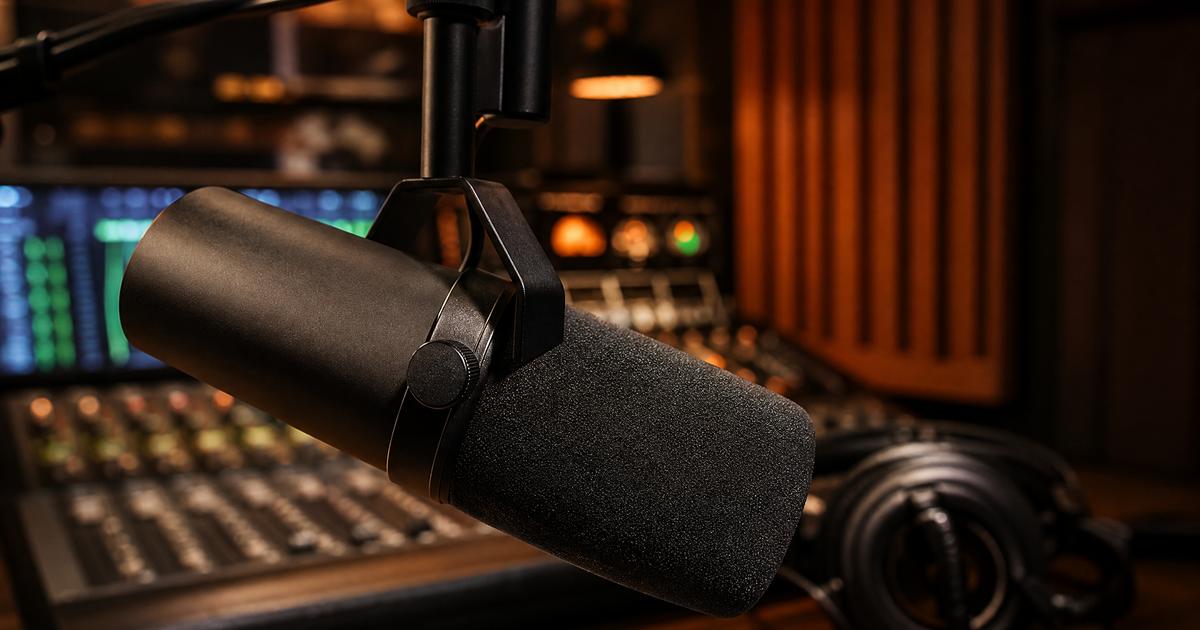
The Shure SM7B is legendary in broadcasting and music production. It's the microphone of choice for countless professional podcasters, radio hosts, and even vocalists (Michael Jackson famously used it on Thriller).
Sound Quality and Characteristics
The SM7B delivers a rich, warm, and incredibly smooth sound. It excels at rejecting background noise, making it ideal for less-than-perfect recording environments. Its flat, wide-range frequency response captures voices with exceptional clarity and presence. It also features built-in bass roll-off and mid-range emphasis controls, allowing for subtle sound shaping directly on the mic.
Price and Setup
This professional-grade quality comes at a higher price point, typically ranging from $399-$499. The SM7B is also a low-output microphone, meaning it requires a significant amount of gain. You'll almost certainly need an audio interface with high-quality preamps and often a dedicated in-line preamplifier (like a Cloudlifter or FetHead) to get optimal levels without introducing noise. This adds to the overall cost and complexity of the setup.
Ideal Use Cases
* Professional Podcasts: If you're aiming for broadcast-quality audio and have the budget for supporting equipment. * Noisy Environments: Its excellent off-axis rejection makes it superb for home studios or spaces with some ambient noise. * Vocals: Great for singing, voiceovers, and any application where a rich, detailed vocal is paramount.
Rode PodMic: The Podcasting Powerhouse on a Budget
The Rode PodMic was designed specifically for podcasting and broadcasting. It aims to deliver a broadcast-quality sound without the premium price tag or the demanding gain requirements of its more expensive counterparts.
Sound Quality and Characteristics
The PodMic offers a clear, punchy, and broadcast-ready sound. It's known for its robust build and internal pop filter, which effectively minimizes plosives. While it doesn't have the same nuanced warmth as the SM7B, it produces a very professional and articulate vocal sound that is more than sufficient for most podcasts. It also does a good job of rejecting room noise.
Price and Setup
One of the PodMic's biggest advantages is its affordability, usually retailing for around $99-$129. It's also much easier to drive, meaning most standard audio interfaces can provide enough gain without needing an additional preamplifier. This makes it a more accessible option for beginners or those on a tighter budget.
Ideal Use Cases
* Beginner Podcasters: Excellent quality for the price, making it a great starting point. * Multi-Host Podcasts: Affordable enough to equip multiple hosts without breaking the bank. * Home Studios: Its robust sound and noise rejection are great for home setups. * Live Streams: Provides clear, professional audio for live content.
Which One Does Oakland Podcast Studio Use?
At Oakland Podcast Studio, we prioritize giving our clients access to the best tools for their projects. That's why we predominantly use the Shure SM7B microphones in our professional studios. We pair them with high-quality audio interfaces and preamps to ensure you get that signature warm, broadcast-ready sound without any of the setup hassle. This allows our clients in the Bay Area to focus solely on their content, knowing their audio is top-tier.
The Verdict: Choose Based on Your Needs
* Choose the Shure SM7B if: You have a professional budget, want the absolute best broadcast-quality sound, and are willing to invest in the necessary supporting equipment (or record at a professional studio like Oakland Podcast Studio). * Choose the Rode PodMic if: You're on a tighter budget, want excellent podcast-specific sound quality, and prefer a simpler setup that doesn't require extra gain boosters.
Both microphones are fantastic in their own right. Your choice ultimately depends on your budget, your technical comfort level, and the specific sound you're aiming for. No matter which you choose, remember that a good microphone is just one piece of the puzzle; proper mic technique and a well-treated recording space are equally important.
Ready to record your podcast with professional-grade equipment? Book your session at Oakland Podcast Studio today!
[Book Your Studio Time Now!](https://oaklandpodcaststudio.com/book)
Ready to Record?
Your Show Deserves a Professional Studio
Engineer-supported audio-only recording at $99/hr, or one-camera 4K video from $175/hr. Soundproofed studios, a one-hour minimum, and same-day raw files.